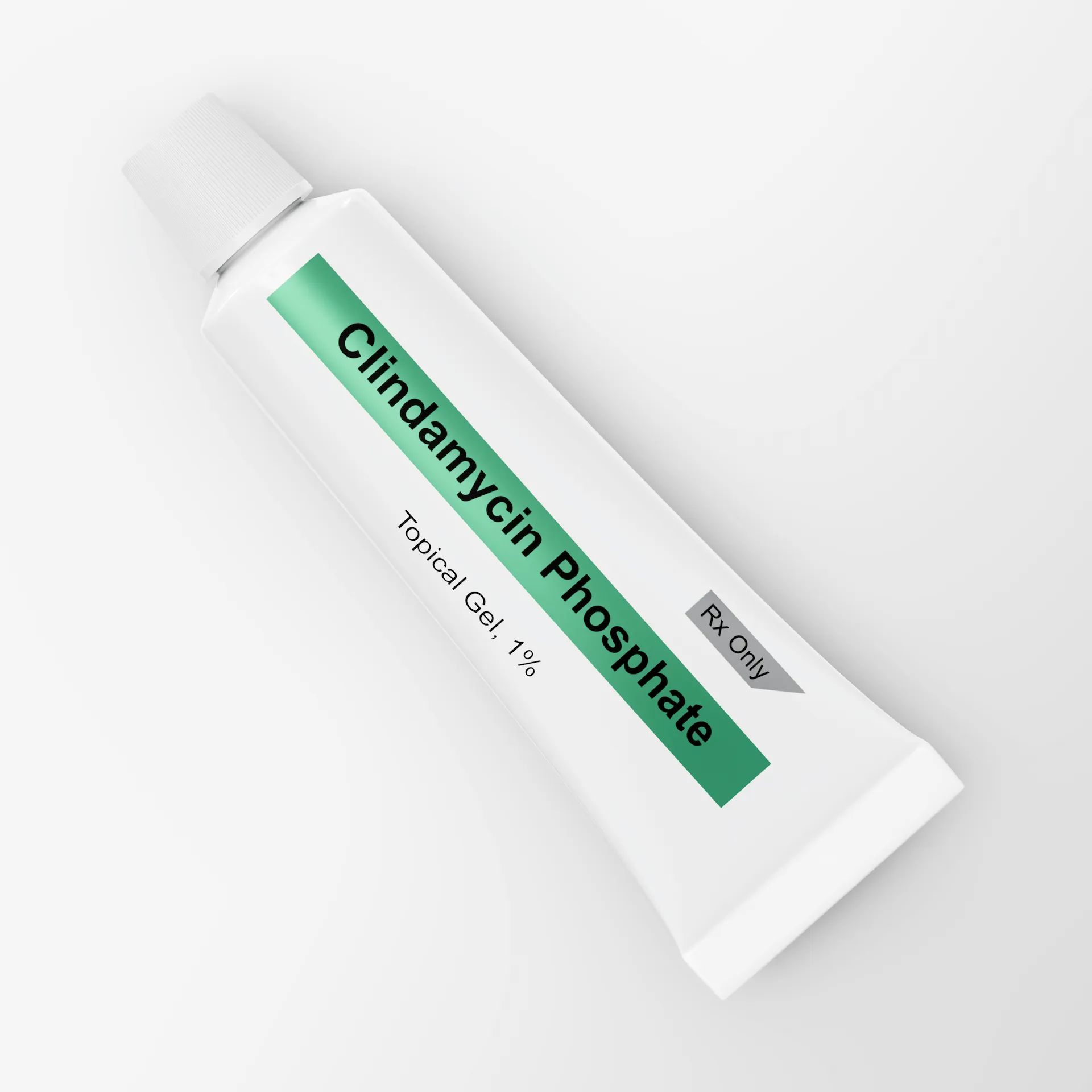
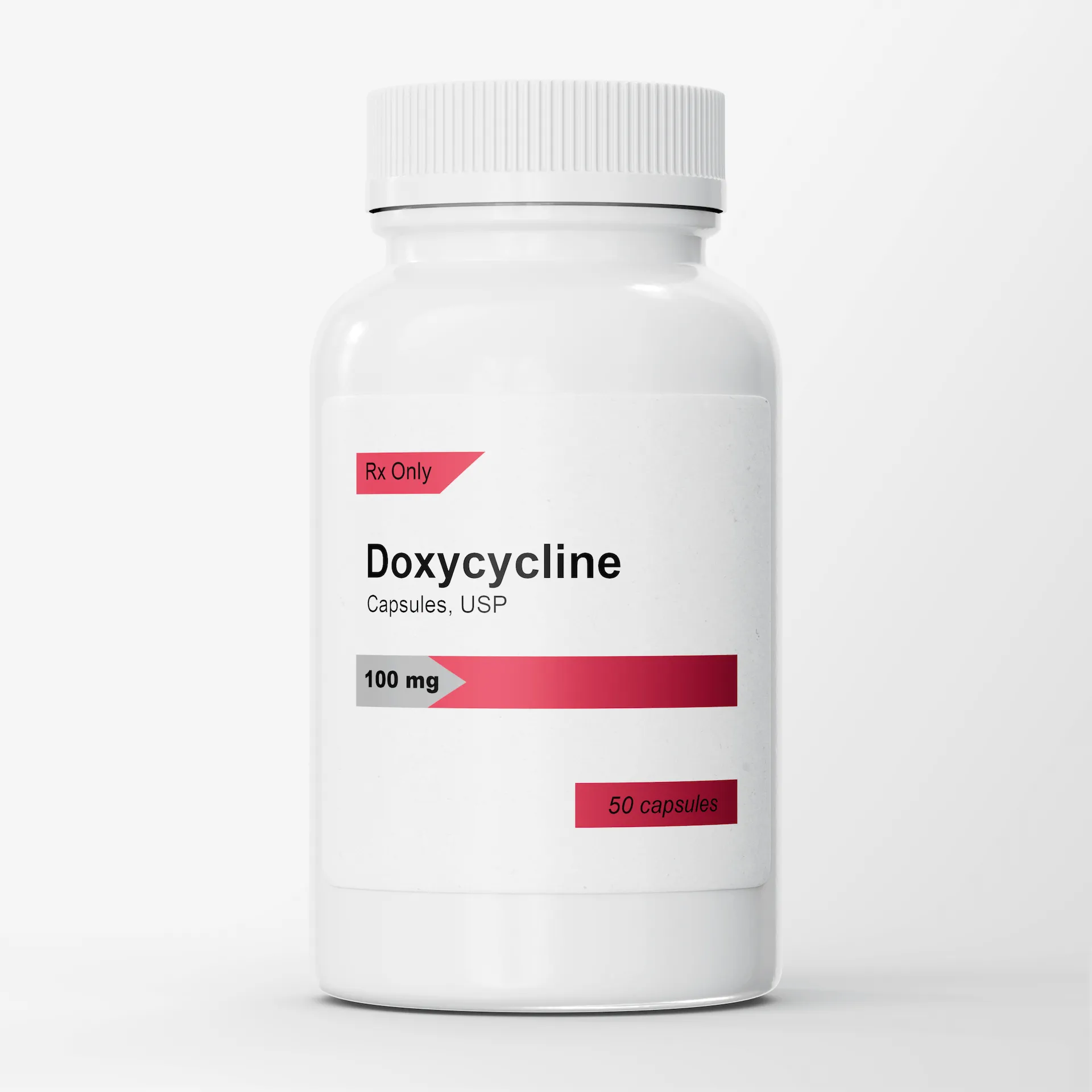
Affordable, personalized rosacea treatments prescribed online by licensed dermatology providers and delivered to your door.
Get Started



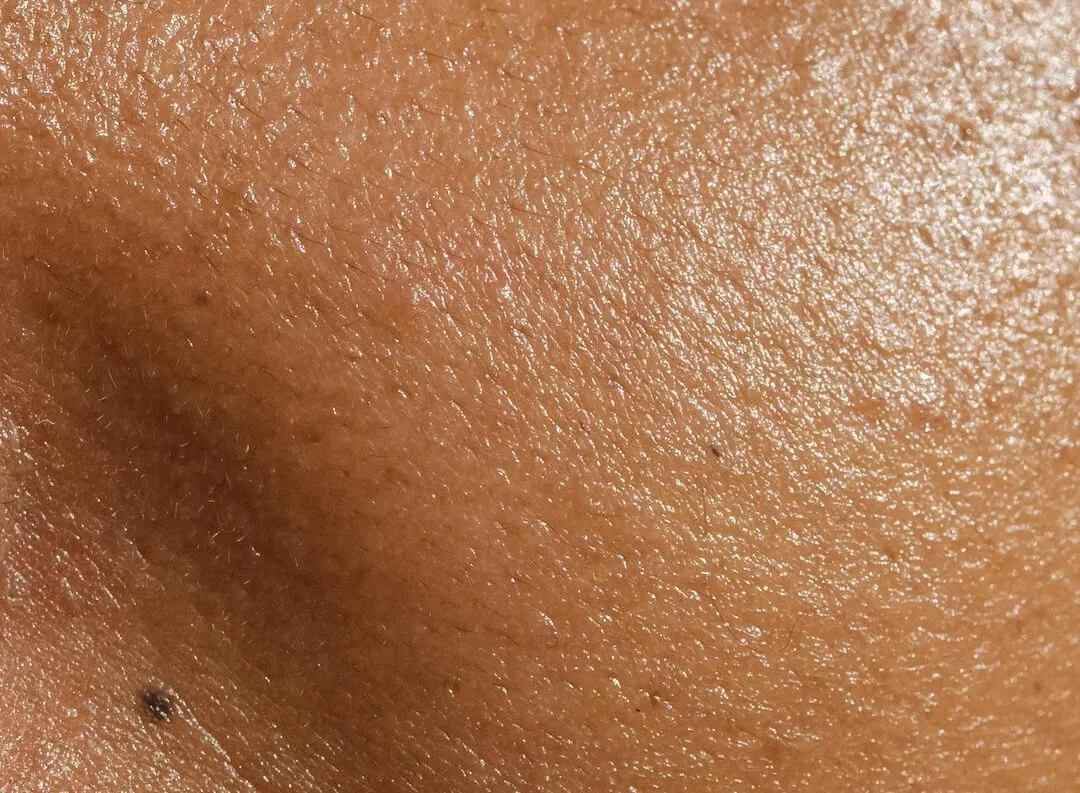
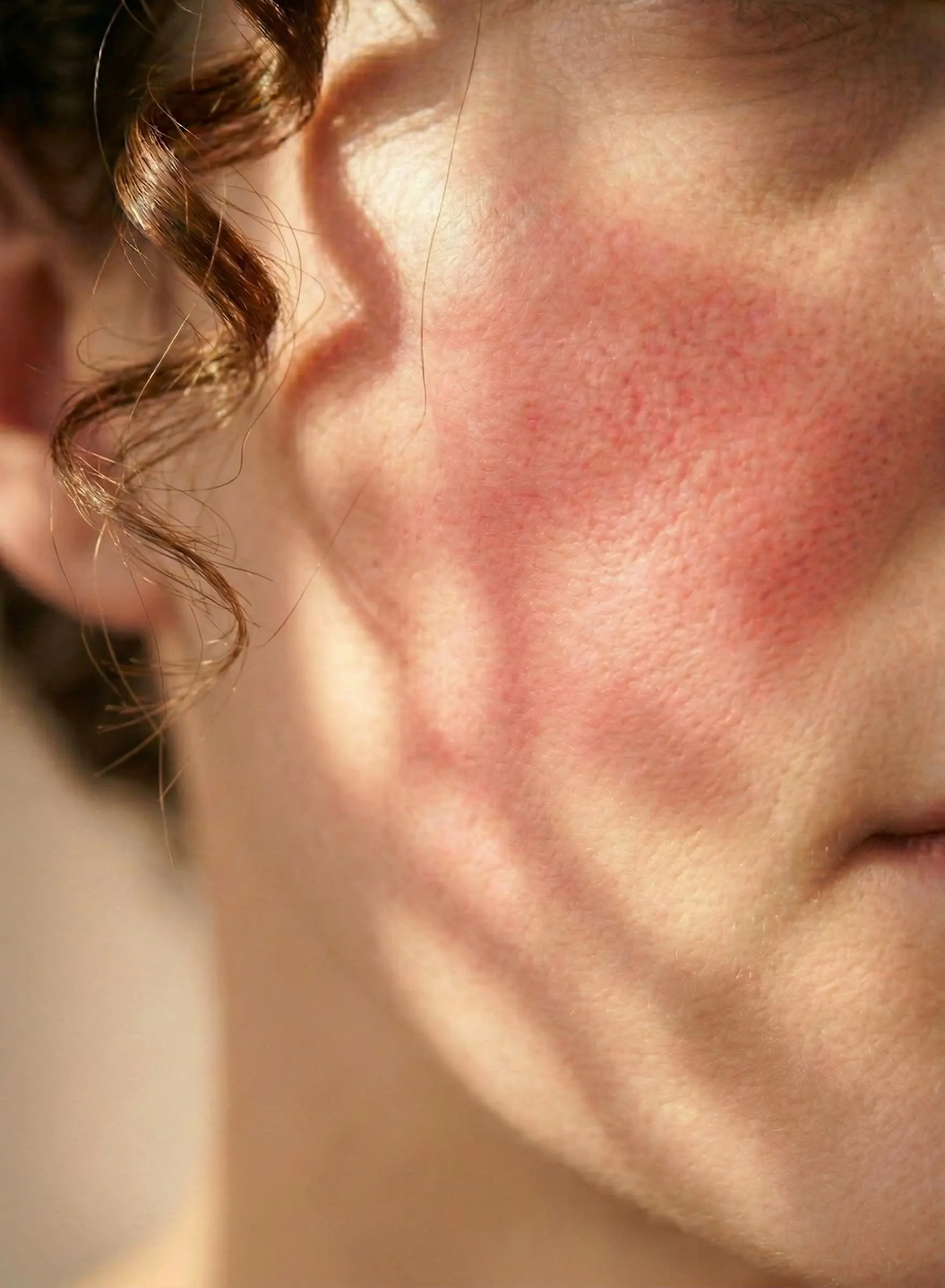

Fill out a quick medical questionnaire and upload photos of your skin. In many cases, treatment can begin right away without a video consult.

If a visit is needed, you can book a quick video consult within 48 hours. Your provider takes the time to understand your skin and your goals.

Your provider creates a personalized plan, then your treatment is delivered to your door or sent to your local pharmacy.

Track your progress with photos and message your Care Team anytime for questions, refills, and guidance. We'll respond, 7 days a week.
.webp)
Skin health is complex. Your provider reviews your skin and history so you can start with the right approach from day one.

No trends. No guesswork. You receive prescription treatments grounded in real dermatology, tailored to your skin type.
.webp)
Support for stubborn or severe acne. When Accutane is the right choice, your provider can offer standard or low-dose options.
.webp)
Made only for your skin. Your provider can blend prescription ingredients in strengths designed specifically for your acne needs.
.webp)
Expert care without the wait room. Your prescriptions arrive where, and when you need them. Simple, private, and consistent.
.webp)
Care that adapts with you. Share photo updates and get adjustments as your skin changes, so your plan keeps working.
Honeydew’s dermatology providers understand that rosacea is more than skin deep and guide you toward real progress with care that actually works. We love your skin. You’re going to love it, too.


Zero waiting rooms, zero co-pays. Get expert care, personalized treatments, and ongoing support, all online for one transparent price.

Licensed dermatology providers who understand acne beyond the surface and guide your treatment from day one.
We handle prior authorizations, pharmacy communication, and refills so you don't have to.
Upload photos directly to your patient dashboard so you and your provider can monitor how your skin is responding to treatment over time.
Message your provider anytime your skin changes, your prescription needs adjusting, or for anything else.
Honeydew membership is eligible for HSA/FSA spending.
Get expert dermatology care from anywhere in the U.S., with no in-person visits required.
Find more answers in our FAQ or Contact us.

I'm a current college student and was able to get prescribed same-day through a local pharmacy, and cleared 5 years of plaguing acne in just 2 months!
My skin looks better than I had ever imagined. Honeydew is the best thing I've ever done for my skin and my confidence!
My son's acne is largely clear after a second month of Accutane. This follows a year of OTC creams with no improvement.
Micro-dose accutane has been a life saver. I've struggled with acne all of my life and this entire experience has been amazing. I 100% recommend micro-dose accutane through Honeydew.
Rosacea is a chronic inflammatory skin condition that primarily affects the face, causing persistent redness, flushing, visible blood vessels, and sometimes acne-like bumps. It affects roughly 16 million Americans and most commonly develops in adults over 30. There are four recognized subtypes, and many patients have more than one. Erythematotelangiectatic rosacea (the vascular type) is the most common, causing persistent facial redness, flushing episodes, and visible blood vessels — often with sensitive, easily irritated skin. Papulopustular rosacea causes redness combined with acne-like bumps and pustules on the cheeks, chin, and forehead. Phymatous rosacea causes skin thickening, most often around the nose. Ocular rosacea affects the eyes, causing dryness, irritation, and eyelid swelling. Because subtypes respond to different treatments, getting the right diagnosis is the essential first step — and something your Honeydew provider will assess from the photos and history you provide in your intake.
Rosacea most commonly appears as persistent redness in the center of the face — the cheeks, nose, forehead, and chin — that may look like a sunburn that won't fade. Over time, flushing episodes become more frequent and the background redness more constant. Depending on your subtype, you may also notice visible blood vessels (broken capillaries), small red bumps or pus-filled pimples without blackheads, a burning or stinging sensation when applying skincare products, or eye irritation. Rosacea is frequently mistaken for acne, eczema, or just a ruddy complexion, which delays appropriate treatment. If your facial redness is persistent, worsens with heat, alcohol, or stress, or is accompanied by bumps that don't respond to standard acne treatments, rosacea is worth evaluating — and Honeydew providers can assess your symptoms through a photo-based consultation.
Papulopustular rosacea is the subtype most commonly confused with acne. It causes red bumps and pus-filled pustules — typically on the cheeks, chin, and forehead — alongside persistent facial redness and flushing. The key difference from acne is that rosacea pustules don't form blackheads or whiteheads, they tend to appear on a background of overall facial redness, and they don't respond to standard acne treatments like benzoyl peroxide or salicylic acid. In fact, many OTC acne products can worsen rosacea by irritating already-sensitive skin. If you've been treating what you think is acne for months with no improvement, or if products are making your skin worse, rosacea may be the correct diagnosis. Your Honeydew provider can evaluate the distinction and prescribe appropriately.
Erythematotelangiectatic rosacea (ETR) is the vascular subtype of rosacea, characterized by persistent central facial redness, frequent flushing or blushing episodes, and visible blood vessels (telangiectasia) on the cheeks, nose, and chin. People with this subtype often have very reactive skin that stings, burns, or feels hot — particularly when exposed to wind, temperature changes, certain skincare ingredients, or alcohol. Unlike the bumpy subtypes of rosacea, ETR doesn't produce pimples. Treatment focuses on managing the vascular component — reducing redness and visible vessels — and typically involves prescription topicals like brimonidine, along with careful skincare and trigger avoidance. Honeydew providers can evaluate ETR through photos and prescribe targeted treatments online.
Persistent facial redness or frequent flushing that doesn't resolve on its own is one of the most common early signs of rosacea — specifically the erythematotelangiectatic subtype. Many people dismiss it as sensitivity, rosacea cheeks, or a fair complexion before eventually recognizing the pattern: redness that worsens with heat, alcohol, spicy food, stress, or sun exposure, and gradually becomes more permanent over time. Left untreated, rosacea tends to progress — visible blood vessels appear, flares become more frequent, and the redness spreads. If you've noticed persistent facial redness that flares predictably with certain triggers, it's worth getting a proper evaluation. A Honeydew provider can assess your symptoms through photos and your history and confirm whether rosacea is the right diagnosis.
Rosacea and acne are distinct conditions that require different treatments, but they're frequently confused because both can cause red bumps and pustules on the face. The key differences: acne is caused by clogged pores and bacterial overgrowth, and typically produces blackheads and whiteheads alongside pimples. Rosacea is an inflammatory condition involving vascular and immune dysfunction — it causes persistent background redness and flushing that acne doesn't, and its bumps never form blackheads. Age is also a clue: acne is most common in teenagers and young adults, while rosacea typically develops after age 30. Treatment matters enormously — some standard acne treatments like retinoids and exfoliants can significantly irritate rosacea-prone skin. Getting the right diagnosis first ensures you're not treating the wrong condition for months.
A few reliable indicators point toward rosacea over acne: your bumps appear on a background of persistent facial redness or flushing; you don't have blackheads or clogged pores; your skin feels sensitive, burning, or stinging — especially with standard skincare products; your breakouts are concentrated on the central face (cheeks, nose, forehead, chin) and worsen with alcohol, heat, or sun exposure; and you're over 30 with no history of teenage acne. If your skin hasn't responded to acne treatments, or if things have gotten worse, that's a strong signal the diagnosis may be wrong. A Honeydew dermatology provider can evaluate your photos and history and give you a clear answer, so you stop treating the wrong thing.
Rosacea and eczema can both cause facial redness and skin sensitivity, but they're driven by different mechanisms and require different treatments. Eczema (atopic dermatitis) involves a compromised skin barrier that leads to dryness, itching, and inflammation — it often affects the body as well as the face, and its texture tends to be rough, dry, or weeping. Rosacea is primarily vascular and inflammatory — it's characterized by flushing, persistent redness in the central face, and visible blood vessels, and it rarely causes the intense itch or dry cracking typical of eczema. Rosacea also tends to worsen with specific triggers like alcohol, spicy food, and heat in ways eczema doesn't. Both conditions can be assessed and treated through Honeydew, and your provider will work through the distinction with you during intake.
Honeydew providers can prescribe a full range of evidence-based rosacea treatments online, tailored to your specific subtype and severity. For inflammatory bumps and pustules (papulopustular rosacea), first-line topical options include metronidazole gel or cream, azelaic acid, and ivermectin cream (Soolantra). For persistent redness and flushing (erythematotelangiectatic rosacea), topical vasoconstrictors like brimonidine (Mirvaso) can provide rapid reduction in visible redness. Oral antibiotics — most commonly low-dose doxycycline — are prescribed for more widespread inflammatory involvement. Your provider will match your treatment to your subtype rather than prescribing a one-size-fits-all approach, which is one of the most important factors in whether rosacea treatment actually works.
Yes. Metronidazole is one of the most commonly prescribed first-line topical treatments for rosacea — particularly for the papulopustular subtype — and Honeydew providers can prescribe it online. It works by reducing skin inflammation and the bacterial load that contributes to rosacea bumps and pustules. It's available as a gel, cream, or lotion, typically applied once or twice daily to affected areas. Most patients begin to see improvement within three to four weeks, with continued benefit over two to three months of consistent use. If metronidazole alone doesn't achieve adequate control, your provider can adjust your plan to include additional agents or switch to an alternative like ivermectin.
Yes. Prescription-strength azelaic acid (15% gel or foam, available as Finacea) is a well-established topical treatment for both the redness and inflammatory bumps of rosacea. It works by reducing inflammation, killing surface bacteria, and normalizing skin cell turnover. Unlike some rosacea treatments, azelaic acid can also improve post-inflammatory skin discoloration over time. Honeydew providers can prescribe it online as part of a broader rosacea treatment plan, either as a standalone treatment or in combination with other topicals. It's often well-tolerated by sensitive rosacea skin, though mild stinging or tingling is common initially.
Yes. Ivermectin 1% cream (Soolantra) is an FDA-approved prescription treatment for inflammatory rosacea that works by targeting Demodex mites — tiny skin mites that are found in higher concentrations on the skin of rosacea patients and are believed to contribute to inflammation — as well as reducing inflammatory lesions directly. Clinical studies show it is more effective than metronidazole and azelaic acid for reducing lesion counts at 12 weeks. Honeydew providers can prescribe Soolantra online, and it's often recommended for patients who haven't seen adequate results from metronidazole, or as part of a combination approach for more persistent papulopustular rosacea.
Yes. Brimonidine gel (Mirvaso) is a prescription topical that works by constricting small blood vessels in the face, producing rapid visible reduction in facial redness within 30 minutes of application — with effects lasting up to 12 hours. It's specifically designed for the persistent erythema (redness) of erythematotelangiectatic rosacea, rather than the bumps of the papulopustular subtype. Honeydew providers can prescribe brimonidine and other vascular-targeting treatments online. If your primary concern is redness and flushing rather than bumps, your provider will tailor your plan toward the vascular component of rosacea specifically.
Yes. Low-dose doxycycline, often prescribed as Oracea (40mg extended-release) or as standard doxycycline, is the most commonly used oral treatment for moderate rosacea with widespread inflammatory papules and pustules that haven't responded adequately to topical treatments alone. At sub-antimicrobial doses, it works primarily as an anti-inflammatory rather than an antibiotic, which reduces the risk of antibiotic resistance. Honeydew providers can prescribe doxycycline for rosacea online. It's often used in combination with a topical treatment like metronidazole or ivermectin for a more comprehensive approach, particularly during active flares.
Rosacea flare-ups are driven by a combination of vascular, immune, and environmental factors that vary from person to person — but certain triggers are very consistent across patients. The most commonly reported include sun exposure (the leading environmental trigger for most people), alcohol — especially red wine — spicy foods, hot beverages, heat and hot baths, cold wind, intense exercise, emotional stress, and certain skincare ingredients like alcohol-based toners, fragrances, and harsh exfoliants. Some patients also react to specific medications, particularly vasodilators. Keeping a simple diary of flares and what preceded them is one of the most effective ways to identify your personal triggers. Your Honeydew provider will discuss your trigger patterns as part of building your treatment and management plan.
Alcohol is one of the most commonly reported rosacea triggers. It causes blood vessel dilation, the same mechanism responsible for flushing, which exacerbates the vascular inflammation underlying rosacea. Red wine is the most frequently cited culprit, though beer and spirits can also provoke flares. The effect isn't just immediate flushing; regular alcohol consumption can contribute to the progressive worsening of persistent redness and visible blood vessels over time. Reducing or eliminating alcohol is one of the most impactful lifestyle changes rosacea patients can make alongside prescription treatment. If alcohol is a significant trigger for your rosacea, your Honeydew provider can also discuss prescription options — including vasoconstrictors like brimonidine — that may help manage the vascular component.
Yes. Diet is one of the more controllable rosacea triggers for many patients. The most consistently reported dietary triggers include spicy foods (particularly those containing capsaicin), hot beverages like coffee and tea — where it's the temperature as much as the content — red wine and other alcohol, and foods high in histamine or cinnamaldehyde. Dairy and high-glycemic foods trigger flares in some but not all patients. Because rosacea triggers are individual, the most reliable approach is to identify which foods consistently precede your flares rather than eliminating everything at once. Your Honeydew provider can discuss trigger management strategies alongside your prescription plan — because controlling rosacea effectively requires both treating active symptoms and reducing what provokes them.
Sun exposure is the single most commonly reported rosacea trigger. UV radiation causes blood vessel dilation, directly triggering flushing and worsening persistent redness over time — and cumulative sun damage accelerates the visible blood vessel changes associated with erythematotelangiectatic rosacea. Daily broad-spectrum SPF 30 or higher is considered an essential part of any rosacea management plan, not an optional extra. Physical sunscreens containing zinc oxide or titanium dioxide tend to be better tolerated by rosacea-prone skin than chemical sunscreens, which can cause stinging. Your Honeydew provider can incorporate sun protection guidance into your overall treatment plan alongside prescription medications.
Yes. Rosacea is one of the most effectively managed conditions through telehealth. Its diagnosis is based almost entirely on visual assessment — the pattern of redness, the presence and type of bumps, the distribution across the face — all of which can be captured clearly in photos. Honeydew providers conduct a thorough photo review alongside your health history and symptom questionnaire to accurately identify your rosacea subtype and prescribe accordingly. Follow-up care, prescription adjustments, and refills all happen online. The one scenario where an in-person referral may be needed is ocular rosacea with significant eye involvement, which typically requires evaluation by an ophthalmologist as well.
Yes. Honeydew is built to be accessible without insurance. Our flat-rate membership covers licensed dermatology provider access, prescription coordination, and unlimited follow-up — with no co-pays, no referral requirements, and no insurance approval needed to begin. If you have insurance, your medications can be submitted to reduce out-of-pocket costs. Membership fees are also HSA/FSA eligible. For rosacea specifically, some prescription treatments like azelaic acid and ivermectin cream are often not covered by insurance even when prescribed in person — our team will help you find the most affordable pharmacy options for whatever is prescribed.
For the vast majority of rosacea patients, yes. Because rosacea is diagnosed and monitored visually, it's particularly well-suited to telehealth — providers can assess subtype, severity, and treatment response from high-quality photos with a high degree of accuracy. The prescription treatments available through Honeydew are identical to those prescribed in traditional dermatology offices: metronidazole, azelaic acid, ivermectin cream, brimonidine, doxycycline, and more. For patients who have spent months trying OTC products without success, or who have been waiting weeks for a dermatology appointment, telehealth consistently delivers faster access to the same level of care.
For most people, rosacea is a chronic condition that requires ongoing management rather than a one-time cure. It tends to cycle through periods of flares and remission, with triggers varying by season, lifestyle, and stress levels. The goal of treatment isn't to eliminate rosacea permanently, but to achieve meaningful, sustained control — fewer flares, calmer baseline redness, and less progressive worsening of visible blood vessels over time. Left untreated, rosacea tends to slowly worsen. With consistent prescription treatment and trigger management, most patients see significant improvement and can maintain it long-term. At Honeydew, your rosacea care plan evolves as your skin does, with ongoing provider access and prescription adjustments whenever you need them.
Rosacea's impact extends well beyond the skin. Because it affects the face — the most visible part of the body — rosacea has a disproportionate effect on self-confidence, with studies consistently showing higher rates of anxiety, embarrassment, social withdrawal, and reduced quality of life among people with rosacea compared to those without. Many patients report avoiding social situations, declining professional opportunities, or feeling defined by their skin. Getting effective prescription treatment — and maintaining it — has been shown to meaningfully improve not just skin outcomes but self-esteem and overall wellbeing. If you've been managing rosacea with OTC products that aren't working, the psychological benefit of finally getting to the right treatment is just as important as the physical one.